


Did you know that you can lose readers in seconds if you don’t hook them immediately with your writing? Learning how to write captivating blog posts is essential to your blog’s success.
It’s easy to hit publish on a blog post, but grabbing (and keeping) a reader’s attention takes a bit more effort.
I’ve learned that you want to write blog posts that draw people in, keep them around, and give them something they actually want to keep reading.
In this post, you want to know how to write captivating content. That’s why you are here, and why you will keep reading. BUT! If I write anything that offends you or that you disagree with, I risk losing you forever.
So lesson one: try not to offend or be contentious. There is a time and place for controversy, of course, but not when helping someone or being persuasive.
Sometimes it feels like every topic has already been covered, but the way you present your message can still make your post stand out.
I’ve seen even the simplest advice become memorable with the right story, a bit of personality, an awesome quote, and a structure that flows.
When you put real thought into your posts, readers feel it, and they’ll keep coming back for more, especially if your post helps them solve a problem they have.
This step-by-step guide breaks down how I approach writing captivating blog posts that connect with readers, encourage people to get involved, help people, and build a loyal audience.
I hope these tips help you make your content much more interesting and effective.
Know and Understand Your Audience

If you want your blog posts to have an impact, knowing who you’re writing for is super important.
Posts written for “everyone” end up relating to no one. The clearer you are about your readers, the better your writing will connect with them.
For instance, this post is for readers who want to know how to write effective copy – beginners in my mind.
Ask Yourself These Questions to Help Define Your Audience:
Who do I want to reach with my blog?
What age range or interests do they have?
What problems are they trying to solve? How can you find out (next article – sorry)?
What kind of tone or language speaks to them?
Your Audience Matters:
- Tailor tone and style to what your readers like (casual, professional, funny, etc.).
- Topics become more focused and relevant.
- Examples and anecdotes feel more personal and relatable.
Once you have your target audience in mind, it’s much easier to write posts that are actually interesting and helpful to them.
Take a moment to picture your reader before you start typing; imagine their questions, their frustrations, and what kind of advice or story would make their day better.
Start with an Attention-Grabbing Hook

The first lines of your post make a huge difference. If the intro feels dull, readers often bounce.
I always try to start with something interesting or humorous, whether that’s a question, a surprising fact, something silly like squeezing a chicken, or a short story.
Effective Ways to Hook Your Reader:
- Open with a relatable struggle (“Ever feel like you’re talking to a wall every time you write a blog post?”).
- Share an unexpected stat (“Did you know most readers decide in 7 seconds if they’ll keep reading?”).
- Give a sneak peek at what’s coming (“By the end of this, you’ll have three new tricks for writing posts people want to read.”).
- Write something funny (“You wouldn’t squeeze a chicken to get an egg out, and likewise, you don’t want to shove your content down someone’s throat!”)
I think about a few intro lines before picking one that feels right. Sometimes, I end up rewriting the opening after finishing the post to make sure it really pulls readers in.
Remember, your opening sets the tone, so it’s worth spending extra time here.
Use a Clear Structure and Easy Flow

Nobody likes reading a huge wall of text. Structure makes your post easier to follow, and readers are way more likely to stick around if the flow feels natural.
Simple Ways to Organize Your Blog Post:
- Use headings and subheadings to break down the topic.
- Write short paragraphs (3 or 4 lines tops). I prefer one or two.
- Add bulleted lists or numbered steps for bite-sized info.
- Use bold for keywords or important points.
I like to map out the main sections before I start writing. It keeps me on track, and I find it helps the reader know what’s coming up next.
Sometimes, I draw a quick sketch on paper of how I want each section to flow. This outline creates clarity for both the reader and me.
Tip! People are getting used to AI, but don’t lose your (self, spirit, flavor, personality) in your writing to AI just because it’s expedient to do so. Remember, you need to connect with your audience.
Write in Your Own Voice

Personality goes a long way online. I lean into phrases and quirks I use in conversation. It makes the post sound more real and less like a textbook. I’ve failed to do that here because I don’t want to be distracting, but you get the picture, right, my friend?
How to Find Your Blogging Voice:
- Imagine you’re chatting with a friend about the topic.
- Read your post out loud—is it something you’d actually say?
- Share stories, opinions, or lessons from your own experience.
If you include little details from your own life, readers respond more, but don’t try to come across as a hero. People don’t care how great you are; they want to know that you care and understand their needs.
People want to learn from real humans, not robots or copy-pasted advice.
Authenticity builds trust and makes your writing memorable. Don’t be afraid to let your sense of humor or quirks come through—it’s what will set you apart.
I read somewhere to own who you are in your writing. If you are funny, be funny. If you are bold, be bold. If you are shy, try to be more bold (haha, gotcha).
Add Value with Useful Content
Your post should give readers something they can use, whether it’s tips, insight, info, or just a good laugh.
Useful content keeps people coming back and encourages them to share your blog with others.
What Makes Content Valuable?
- Actionable tips or how-to guides
- Personal stories that readers can relate to
- Curated lists or useful resources (like tools, books, or apps)
- Fresh takes on popular topics
Before I publish, I always check—would someone finish this article and feel like they got something out of it?
If yes, it’s probably ready to go. Also, consider linking to other helpful content or providing a free resource, such as a downloadable checklist, to give your readers even more reason to return.
Use Images, Examples, and Visual Breaks
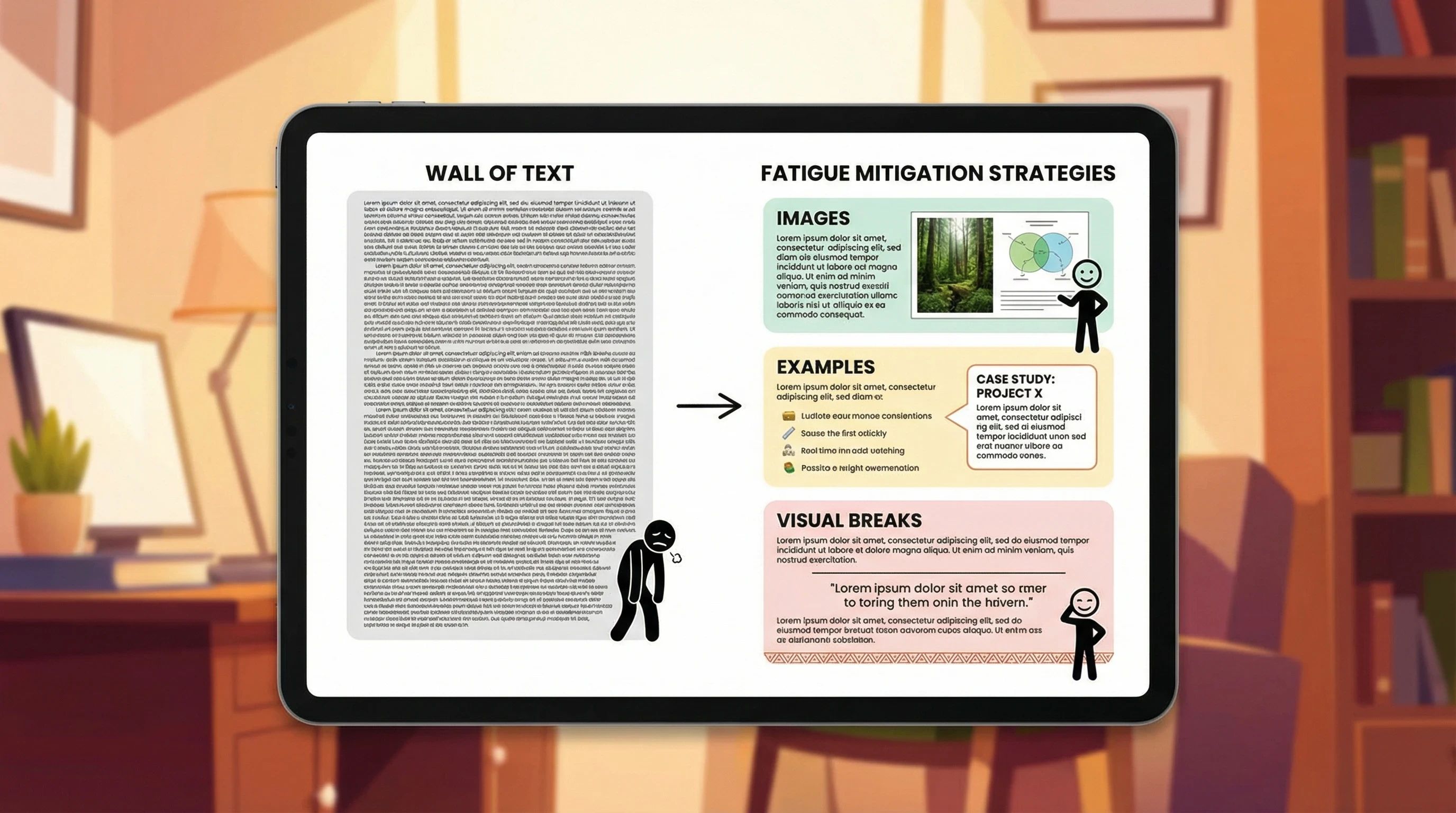
Big blocks of text get boring fast.
Images, screenshots, and even simple graphics make a post a lot more interesting. I also use clear examples from real life or imagined scenarios to bring concepts home.
Ideas for Visuals and Examples:
- Relevant photos or illustrations
- Screenshots showing a process or result
- Infographics with bite-sized info
- Highlight boxes for tips or quotes
When possible, I make sure every image supports the tips or story I’m sharing.
It’s all about purposeful visuals, not just random stock art.
Good visuals help explain or make the main points pop without distracting from the post itself.
You can also use pull quotes or colored sections to highlight important takeaways or offer quick-win summaries for your reader.
What is a pull quote? This is a pull quote:
“Fill your paper with the breathings of your heart.”
William Wordsworth
A colored section is simply a block of text that is highlighted, or backlighted in this case, to not-so-subtly accentuate the text of your choice. I use WordPress’s Block Editor to make my copy less stale. I learned this technique at Wealthy Affiliate. Check it out if you like.
Edit, Trim, and Polish
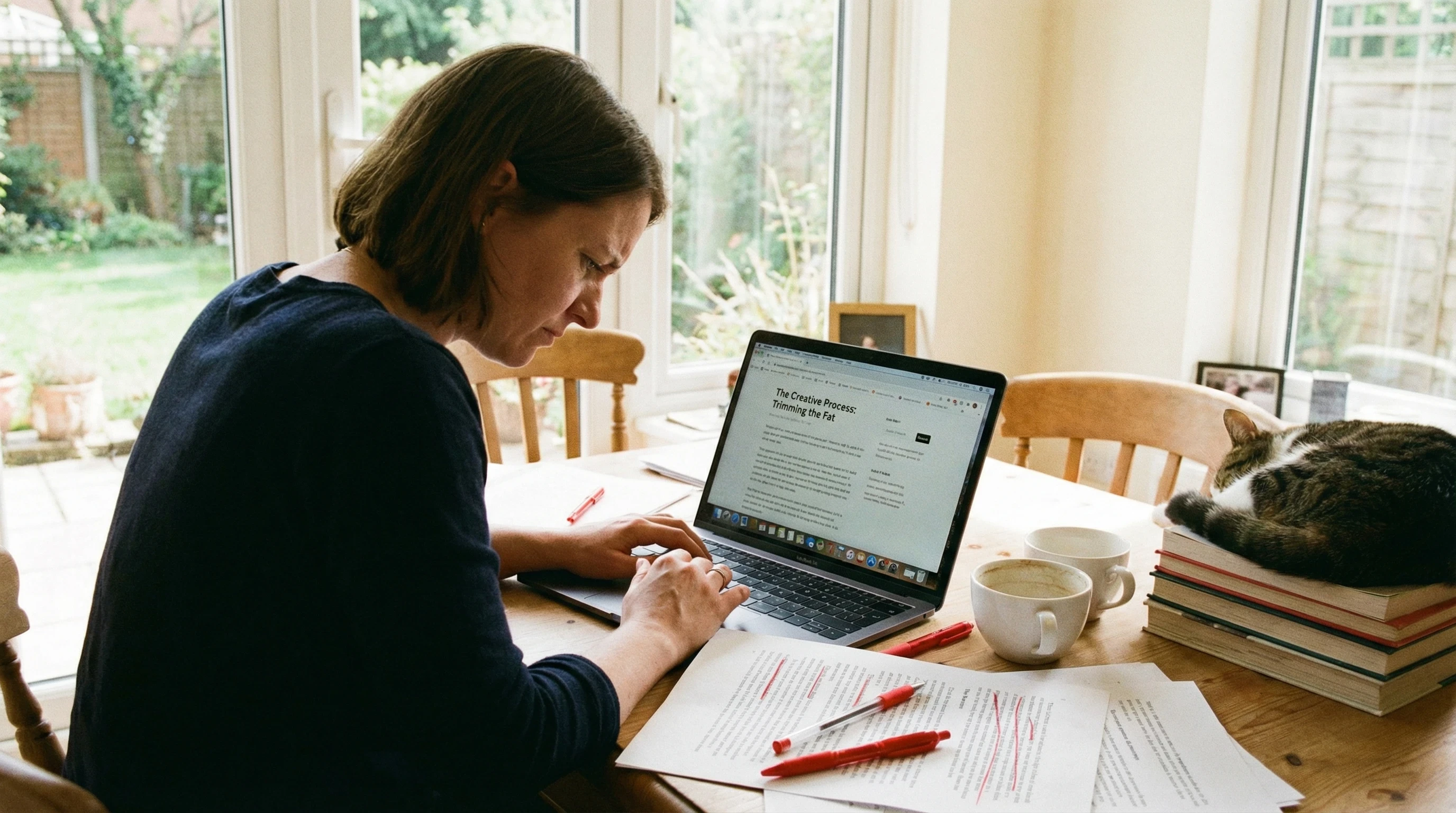
The real magic happens when you go back through your post to edit it.
I usually catch awkward phrasing, rambling sections, or spots where I repeated myself.
Editing is where I get to make everything smooth and easy to read.
Can your copy be too polished? Yep! You can reduce your writing to bare facts, taking the interest right out of it. Have you ever tasted chocolate without sugar? WOWIE! It’s bitter!
Editing Checklist:
- Look for places you can cut extra words or off-topic tangents. If it isn’t important to the reader, or is simply filler to hit a word count, you can do better.
- Make sure each section stays on the main topic.
- Double-check grammar, spelling, and links.
- Read it out loud. Does anything feel clunky?
Don’t be afraid to trim.
Readers appreciate posts that get to the point without extra fluff. Sometimes, taking a short break before your final edit helps you spot problems with fresh eyes.
Share your draft with a friend for feedback. They might notice something you missed.
Common Questions & Troubleshooting
How do I come up with blog post ideas?
I keep a running list of questions people ask me, topics I see in forums or on social media, and stuff I wish someone had explained when I was starting.
Listening to your audience or friends can spark tons of ideas. Don’t underestimate everyday inspiration. A conversation or a new experience could turn into your next post topic!
What would you like to learn? Writing about something you are researching can be valuable to others in your shoes.
What if my writing feels boring?
- Try using more casual wording or breaking the 4th wall (an imaginary wall between you and your audience) a bit.
- Swap out generic phrases for more specific examples or stories.
- Mix short, punchy sentences with longer ones for better flow.
- Experiment with dialogue, humor, or even rhetorical questions to bring your writing to life.
How long should my blog posts be?
There’s no perfect word count. Just make sure you cover your topic well and keep things clear.
I focus on quality over quantity, and if I can get my point across in 800 words, that’s totally fine. Some topics deserve longer, deeper posts, especially if your readers expect super detailed guides.
In the end, value always wins over length.
What if nobody reads my blog?
- Share your blog posts in online communities and social media where your audience hangs out.
- Make your headlines interesting and search-friendly.
- Don’t get discouraged; sometimes it just takes time for posts to catch on.
- Try reaching out to other bloggers for collaborations or guest posts to grow your audience.
Take Your Next Blog Post Up a Notch
Writing captivating blog posts means thinking about what your readers want, making info super easy to take in, and adding your real personality to the mix.
I find that even small tweaks, like a punchier opening or a few well-placed images, can make a big difference.
Never stop experimenting; sometimes switching things up or trying a new format gives your blog a fresh energy.
Your Writing Checklist:
- Pick a clear topic and picture your target reader.
- Write a hook that grabs attention right away.
- Use headings, images, and lists to keep things easy to read.
- Edit for clarity, flow, and personality.
What’s one blogging tip that’s worked for you? If you’ve got a secret sauce for writing posts people love, drop it in the comments below. Let’s keep sharing and help each other grow!
Dave

Yourturnmarketing.com